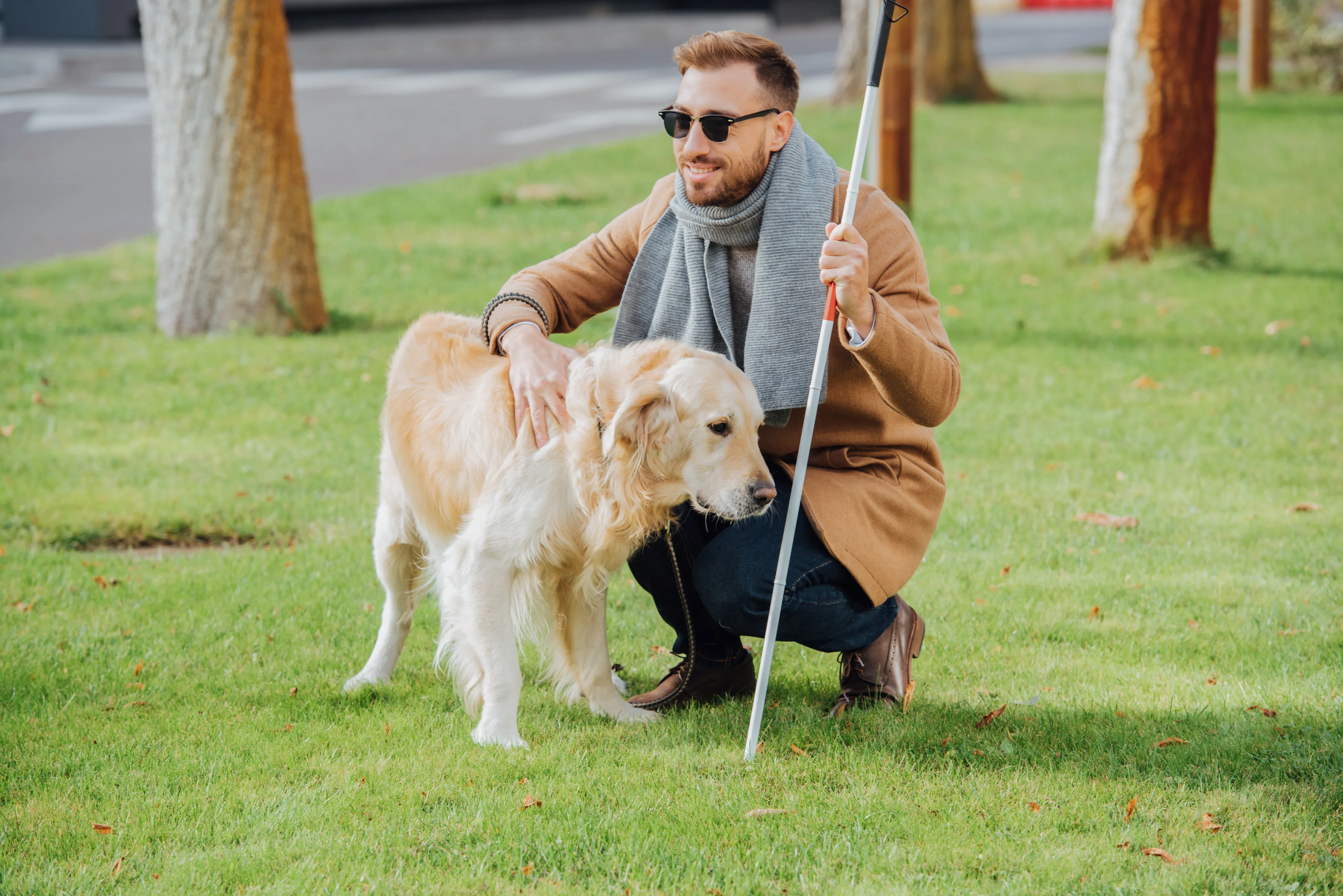
Service dogs play a crucial role in aiding individuals with disabilities. These remarkable canines are specifically trained to provide assistance, support, and independence — from helping people with visual impairments navigate their surroundings, to alerting deaf individuals to important sounds, to assisting those with mobility limitations. They offer not only practical assistance but also emotional support, enhancing the overall well-being and quality of life for those they serve.
What is a Service Dog?
Service dogs are highly trained canines that play a crucial role in assisting individuals with disabilities, enabling them to navigate daily life with greater independence and confidence.
They undergo extensive training to perform a wide range of tasks tailored to their handlers — guiding individuals who are visually impaired, alerting deaf individuals to sounds, mitigating the effects of psychiatric episodes, retrieving items or opening doors for those with mobility limitations, and detecting and responding to seizures.
The versatility of service dogs is remarkable — they support people with physical disabilities with tasks that may otherwise be challenging or impossible, and assist those with sensory disabilities by alerting them to important sounds or signals in their environment.
Legal Rights and Benefits of Owning a Service Dog
Public Access Rights
Service dog owners are entitled to bring their dogs into public spaces such as restaurants, stores, and libraries. These dogs are not pets but trained working animals, and businesses cannot deny them entry based on "no pets" policies.
Housing Rights
The Fair Housing Act ensures that individuals with service dogs are allowed to live with their dogs in rental properties, even where no-pet policies are in place. Housing providers must accommodate service dogs.
Transportation Rights
Service dogs are allowed on public transportation, including buses and airplanes, without additional fees. Airlines must accommodate service dogs in the cabin according to specific guidelines.
Owner Responsibilities
Service dog owners must ensure their dogs are well-behaved, properly trained, and under control. While they have legal access rights, it’s important to respect individual guidelines set by establishments.