
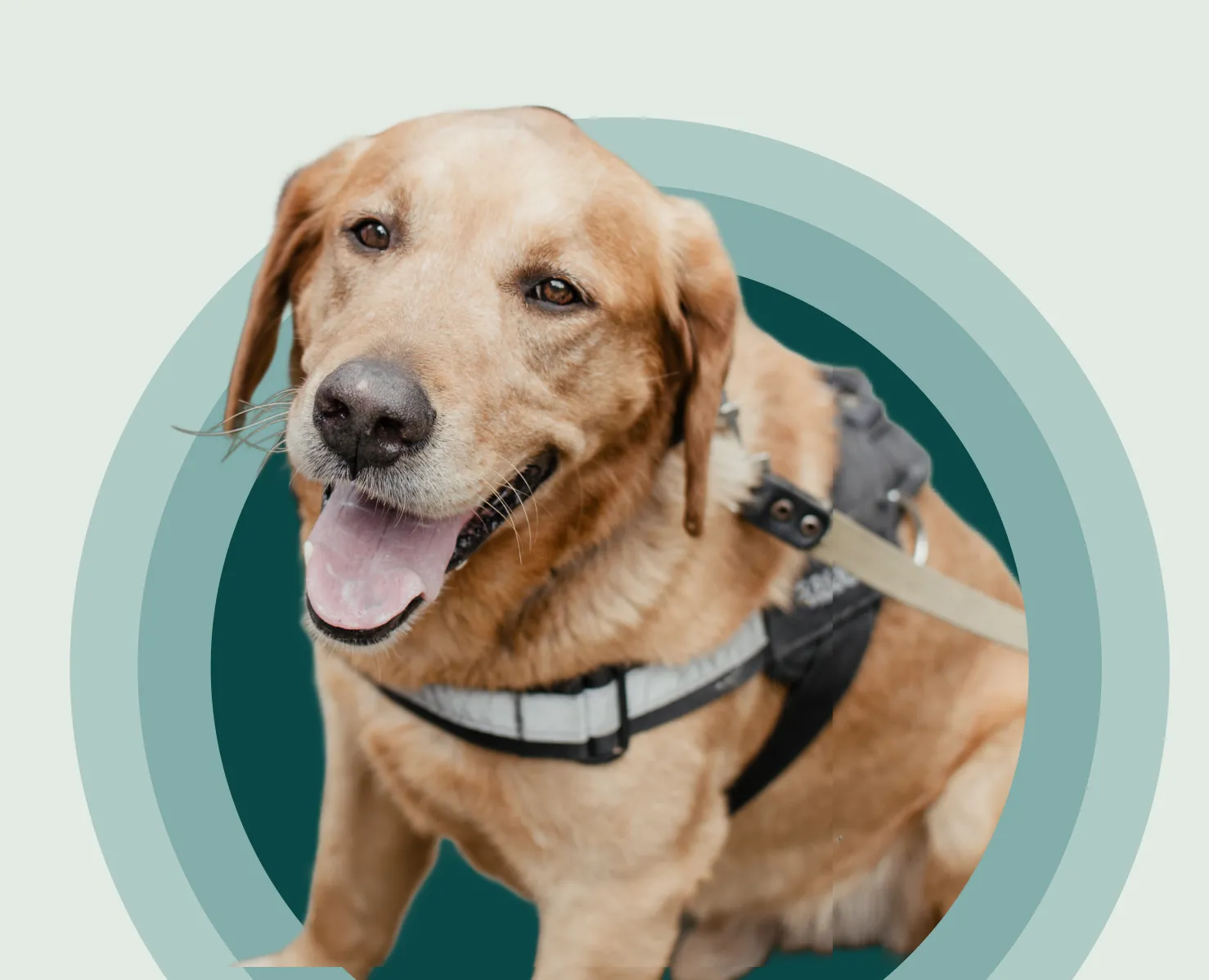

An assistance dog is a specially trained companion that provides aid to individuals with disabilities. These dogs are often trained by assistance dog organizations or their handlers, with the guidance of professional trainers.
Throughout history, dogs have played crucial roles in farming, hunting, and protection. Service dogs, working dogs, therapy dogs, and emotional support animals all serve important functions — but these terms are not interchangeable. Each category has specific definitions covering the tasks they perform and the legal rights they possess.
Service Dogs
Exploring the Roles of Service Dogs
According to the Americans with Disabilities Act (ADA), service dogs are individually trained to perform tasks for people who have disabilities — physical, sensory, psychiatric, intellectual, or other mental disabilities. The tasks are directly related to the handler’s disability. For example:
- Guide dogs assist blind individuals in navigating the world.
- Hearing (or signal) dogs alert deaf people to various sounds, such as knocks on the door or someone entering a room.
- Psychiatric dogs are trained to detect and mitigate the effects of psychiatric episodes.
- Service dogs aid individuals in wheelchairs or those with physical limitations — opening doors, fetching objects out of reach, and carrying items for their handlers.
- Autism assistance dogs help individuals on the autism spectrum distinguish important sensory signals, such as a smoke alarm, from other input, and can alert to repetitive behaviors or overstimulation.
- Seizure-response dogs stand guard over their handler during a seizure or seek help when needed.
Rights of Service Dog Owners
Service dog owners enjoy comprehensive public-access rights as mandated by the ADA. Service dogs may accompany their owners into restaurants, stores, libraries, and other public spaces, and must be permitted in housing even where other pets are not allowed. They are welcome on airplanes and public transportation and are exempt from airline pet fees — though each airline may have specific rules about placement during a flight.
Understanding Working Dogs
Working dogs are purpose-trained canines that perform specific tasks to assist their human companions, excelling in detection, herding, search and rescue, police work, and military operations. Examples include:
- Search and rescue (SAR) dogs find missing individuals during emergencies or natural disasters by following scent trails. Bloodhounds are particularly well-known for this work.
- Explosives detection dogs work with law enforcement, the TSA, and the military to locate dangerous materials. German Shepherds and Belgian Malinois are commonly employed.
- Cancer detection dogs can sniff out cancer in patients’ breath samples, detecting the distinctive odor emitted by cancer cells and providing early indications of the disease.
- Allergy alert dogs detect allergens and their residues in schools, social events, and everyday activities. Poodles and Portuguese Water Dogs are often chosen for this role.
While working dogs are highly trained for specific roles, it’s important to respect their focus and avoid approaching or petting them when they are on the job.
Therapy Dogs
Fair Housing Act and Service Animals
Service animals — typically dogs — are trained to perform specific tasks that mitigate the effects of a person’s disability, such as guiding a visually impaired individual, detecting the onset of a seizure, fetching medication, or providing tactile stimulation during anxiety attacks.
Protections for Service Animals
Under the Fair Housing Act, service animals are not considered pets. Housing developments — even those with no-pet policies — cannot discriminate against tenants with service animals or charge additional deposits or fees. Tenants may, however, be held responsible for any damage the animal causes during their stay.
Emotional Support Animals
Considering Emotional Support Animals (ESAs)
Emotional support animals are distinct from service dogs under the ADA. They are not trained to perform specific tasks, but they provide companionship and support to individuals with psychological conditions — offering comfort and helping to alleviate anxiety, depression, and loneliness. To qualify, a licensed mental health professional must determine that the animal supports a diagnosed emotional or psychological condition.
Rights of Emotional Support Animals
Unlike service dog owners, individuals with emotional support animals have limited legal rights, typically requiring a letter from a licensed professional. ESAs do not have unrestricted public access, but the Fair Housing Act mandates reasonable accommodations for them even where pets are not allowed. As of January 2021, airlines are no longer required to accommodate ESAs.
Service Dogs vs Therapy Dogs vs ESAs, at a glance
| Service Dogs | Therapy Dogs | Emotional Support Animals | |
|---|---|---|---|
| Training Purpose | Specific tasks related to disabilities | Provide comfort and support in clinical settings | Provide emotional support and companionship |
| Legal Rights | Full public access rights as mandated by the ADA | No legal right to access public spaces, regulations vary | Limited legal rights, requires a letter of diagnosis |
| Tasks / Responsibilities | Guide individuals with visual impairments, alert deaf individuals, assist during seizures, perform physical tasks, etc. | Provide comfort, affection, and companionship in hospitals, nursing homes, schools, etc. | Offer emotional support, alleviate anxiety and depression |
| Training Requirements | Intensive training to perform specific tasks related to disabilities | Training to be comfortable in new environments and interact with various individuals | May receive training but not for specific tasks |
| Certification | Recognized under the ADA, no specific certification required | Certification requirements vary among organizations | No standardized certification, requires letter of diagnosis |
| Public Access | Allowed in public spaces, including restaurants, stores, libraries, housing, and public transport | No full public access rights, restrictions in public spaces | Limited access, reasonable accommodations mandated by the Fair Housing Act |
| Interactions | Not to be approached or petted while working | Interact with people in clinical settings, comfortable with handling | Provide emotional support and companionship, interaction varies |