
Skip to content
Wellness Wag

ESA Letters in Dallas - Same Day Approval Available

Licensed mental health professionals serving Dallas residents. Get your emotional support animal letter quickly and legitimately.

Start Your ESA Application
Serving Dallas since 2019
Serving 8M+ residents
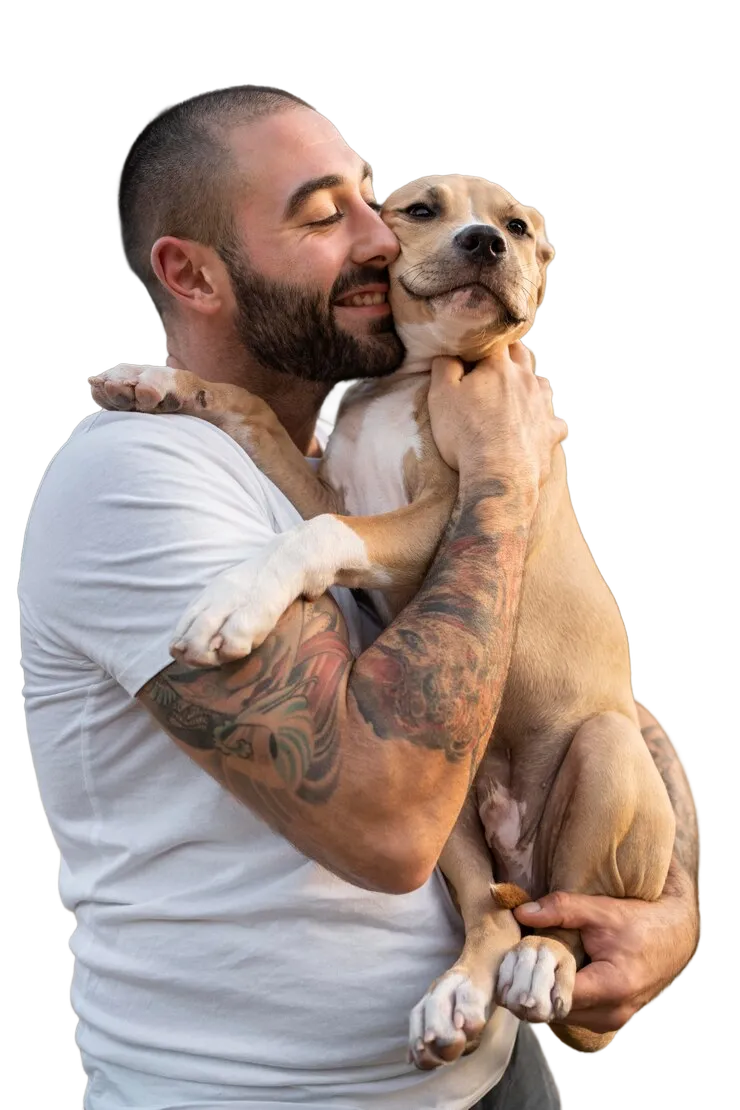
A Dallas resident with their emotional support dog
Dallas, Texas

Local Context:

Dallas is home to approximately 1.33 million residents within the city and nearly 7.6 million across the metro area. With nearly 1.4 million pet-owning households—about 41% owning dogs and 17% owning cats—many households rely on companion animals for emotional support.

Housing Market Context

Dallas’s rental market remains competitive, with average metro rents near $1,475/month and city averages close to $2,882/month. In this market, having a validated ESA letter can be crucial to ensuring housing stability and avoiding “no-pets” or breed-restriction policies.

Pet‑Friendly Culture

Dallas ranks #34 in the U.S. for park access—81% of residents live within a 10-minute walk to a park, up from 73% in 2022. The city operates over 400 parks (21,000 acres), including Klyde Warren Park with dog-friendly areas. Private and public off‑leash/play parks (639 total) and 26 agility parks ensure plenty of space for pets.

Start Your ESA Application

Pet-Friendly Places in Dallas

Discover the top attractions and hidden gems in and around Dallas.

Cane Rosso

6959 Arapaho Rd – Neapolitan pizza spot

Patio access, dog bowls, rescue affiliation.

Mutts Canine Cantina

2889 Cityplace W Blvd – Off-leash dog park

Woof menu, pupsicles, social dog environment.

Rodeo Goat

Market Center Blvd – Burger joint

Patio, dog bowls, lively outdoor setting.

Katy Trail Ice House

Routh St (Uptown) – Beer garden

Large patio, post-walk dining.

Lake House Bar and Grill

Northwest Hwy – Lake-view patio

Scenic seating, outdoor dog space.

Goodfriend Beer Garden & Burger House

Peavy Rd (East Dallas) – Casual burger & beer spot

Patio seating, dog-friendly vibes.

State & Allen Kitchen + Bar

Uptown – Trendy restaurant

Homemade dog treats, water bowls, dog events.

Chelsea Corner

Routh St (Uptown) – Beer garden

Beer garden style patio, pet-welcoming.

Local Mental Health Resources

Crisis Support

  • Call 988 (Suicide & Crisis Lifeline): Available 24/7 for suicidal thoughts or mental health emergencies—Texas now connects 84% of callers to counselors.
  • Metrocare 24/7 Crisis Hotline: Call 214‑743‑1215 for real‑time mental health intervention, including mobile crisis outreach.
  • Suicide & Crisis Center of North Texas: 24-hour local support line at 214‑828‑1000, staffed by trained volunteers.
  • North Texas Behavioral Health Authority (NTBHA): Crisis assistance available via 866‑260‑8000.
  • Crisis Services Project (Dallas County): Provides mobile crisis teams and jail diversion support at 214‑761‑1300.

Support Groups & Pet Therapy

  • Heart of Texas Therapy Dogs: This DFW nonprofit offers therapy-dog visits across community sites, providing emotional support.
  • Children’s Health Pet Therapy Program: Certified therapy dogs visit patients at Dallas and Plano, supporting emotional and mental wellness.
  • Center for Social Success – Animal-Assisted Therapy: Utilizes small hypoallergenic puppies in therapeutic sessions to support emotional and social development.
  • Dog Training Elite – Therapy Dog Training: Offers programs for dogs to become certified therapy animals, ideal for individuals seeking deeper pet‑assisted wellness.
  • TWU HEART Program: University therapy-dog teams offer emotional assistance in campus and community outreach settings.

Healthcare Facilities

  • Major Hospitals with Mental Health Services:
    • Metrocare: Numerous clinics including Westmoreland Clinic extend into the evening for urgent care.
    • Parkland Memorial Hospital: Emergency psychiatric and crisis stabilization (Parkland Psychiatry Emergency: 214‑590‑8761).
    • Timberlawn Mental Health Services: 24/7 access via toll-free 800‑426‑4944.
  • Community & Public Mental Health Centers:
    • North Texas Behavioral Health Authority: Broad service network including mobile and peer support.
    • Adapt Community Solutions: Crisis intervention, jail diversion, and continuity of care services.
  • Research & Specialty Centers:
    • Center for BrainHealth (UT Dallas): Offering cognitive assessments and brain health rehabilitation—focus areas include PTSD, TBI, ADHD.

Housing Information for Dallas

Market Overview

  • Average rent is ~$1,540–$1,820/month, depending on the data source—Redfin reports $1,540 in May 2025, while Zumper lists $1,820. This competitive market highlights the importance of ESA housing protections to secure pet-friendly rentals.
  • Rental market trends indicate rising rents (~2–3% year-over-year) and tight vacancy rates, with North Dallas seeing increased supply yet persistent demand.
  • Popular neighborhoods for pet owners include Uptown, Downtown, North Dallas, Lake Highlands, and Lower Greenville—areas known for walkability, nearby parks, and pet amenities.

Landlord Education

  • ESA rights in Dallas: Under the Fair Housing Act and Texas law, landlords must provide reasonable accommodations—even overriding “no-pet” or breed restrictions—unless the animal poses a health/safety risk.
    • Pet fees or deposits cannot be charged for ESAs, though tenants are responsible for damage repair.
  • Common landlord misconceptions:
    • “All pet restrictions can apply.” Not true—breed or size bans don’t override ESA rights under the FHA.
    • “Landlords can require extra fees.” ESA holders cannot be charged deposits or rent beyond standard fees.
    • “They can ask for medical details.” Only documentation from a qualified professional is permitted—not sensitive diagnosis info.
  • Dispute resources: Tenants facing ESA discrimination can file complaints with:
    • HUD’s Office of Fair Housing & Equal Opportunity.
    • Texas Workforce Commission – Civil Rights Division.
    • Local legal aid like the Dallas Eviction Advocacy Center (co-founded by Mark Melton).

Local Housing Resources

  • Tenant Rights Organizations:
    • Dallas Eviction Advocacy Center (DEAC): Pro bono representation and court navigation — see the “Know Your Rights as a Tenant” guide by Dallas City News.
  • Housing Assistance Programs:
    • Emergency rent / relocation funds (via DEAC)
    • HUD rental assistance & subsidized housing lists
  • Legal Aid for Housing:
    • Texas Legal Services Center
    • Lone Star Legal Aid
    • Dallas County Justice Courts (self-help clinics)

Transportation & Travel — Dallas

Local Transit

  • DART (Dallas Area Rapid Transit): Pets must be enclosed in a secure container to ride on buses and light rail. Service animals are allowed without a carrier but may need to verify their training or purpose if asked. Technically, leashed pets aren’t officially permitted on board, but riders often report flexibility, especially on less crowded routes.
  • Rideshare (Uber/Lyft): Under the ADA (Title III), only trained service animals are guaranteed access to rideshares. Emotional Support Animals (ESAs) may be allowed, but acceptance depends on driver discretion. Always disclose your ESA before booking; some drivers may ask for advance notice.

Airport Information

  • Dallas/Fort Worth International (DFW):
    • Pets must be leashed and/or in carriers.
    • Inside security: pet relief areas available at Terminal B (Gate B28), D (Gate D18), and E (Gate E31).
    • Pre-security relief zones are located near Terminal A (A8), C (C2, C39), D (D15, D29), and E (E2, E38).
    • Paradise 4 Paws, a 24-hour on-site pet resort near DFW, offers boarding for travelers needing extended stops.
  • Dallas Love Field (DAL):
    • Pets must stay in carriers unless they are service animals.
    • Relief areas located post-security in the stem and two areas outside the terminal.
  • TSA Guidelines:
    • As of 2021, ESAs are no longer considered service animals under the Air Carrier Access Act. Airlines may treat them as pets and enforce associated fees and documentation requirements.

Regional Travel

  • Intercity Transit (e.g. Amtrak): Dogs and cats are allowed only in coach class, must fit in carriers, travel for up to 7 hours, and are prohibited from quiet/business cars.
  • Travel to Nearby Cities:
    • Houston/Austin/San Antonio: Multiple pet-friendly airlines and bus services permit ESAs/pets (per airline policy).
    • State & interstate travel (e.g., Dallas → Louisiana/Oklahoma): Car travel is ESA-friendly; just plan for relief breaks and bring necessary health certificates.
  • Popular Travel Destinations from Dallas:
    • Austin – pet-allowed vacation rentals and parks like Zilker.
    • Plano/Richardson – DFW suburbs with dog-friendly communities and trails.
    • New Orleans & Gulf Coast – many pet-friendly beaches and accommodations, welcoming ESAs with proper documentation.

FAQs

While most ESAs are dogs or cats, there’s no specific limitation on the kind of animal. However, the animal should be manageable in public scenarios and not pose threats.

Most ESA letters are considered valid for one year from the date they're issued, after which many landlords and providers expect an updated evaluation. Renewing annually with your licensed mental health professional keeps your documentation current and reduces the chance of a housing dispute.

A landlord can only deny a legitimate ESA request in limited circumstances — for example, if the animal poses a direct threat, would cause significant property damage, creates an undue financial burden, or the property is exempt from the Fair Housing Act. Outside of those situations, a valid ESA letter should be honored.

Start with a brief online assessment, then complete a consultation with a state-licensed mental health professional who can evaluate your need for an ESA. Once that relationship is established, most Texas residents receive their ESA letter within about 24 hours of their consultation.

Yes, but only for specific reasons recognized under the Fair Housing Act — a direct threat to others, significant property damage, an undue financial or administrative burden, or a property that's exempt from the FHA. A blanket “no pets” policy alone isn't a valid reason to deny a legitimate ESA.

It can be, as long as it's issued by a licensed mental health professional after a genuine clinical evaluation — video or phone consultations are a legitimate way to receive care. Be cautious of sites that promise an ESA letter instantly or guarantee approval without ever speaking with a licensed provider.

A legitimate ESA letter is one written and signed by a state-licensed mental health professional, on their letterhead, after an evaluation of your need for the animal — not a certificate or registration purchased without any clinical assessment. Look for a provider who is transparent about their licensing and the evaluation process.

Are you ready to start the process?

Say goodbye to pet fees and always have your beloved companion by your side, no matter where you live.

Get an ESA Letter Now
1